The Rise of InsurTech: How Technology Is Disrupting Insurance

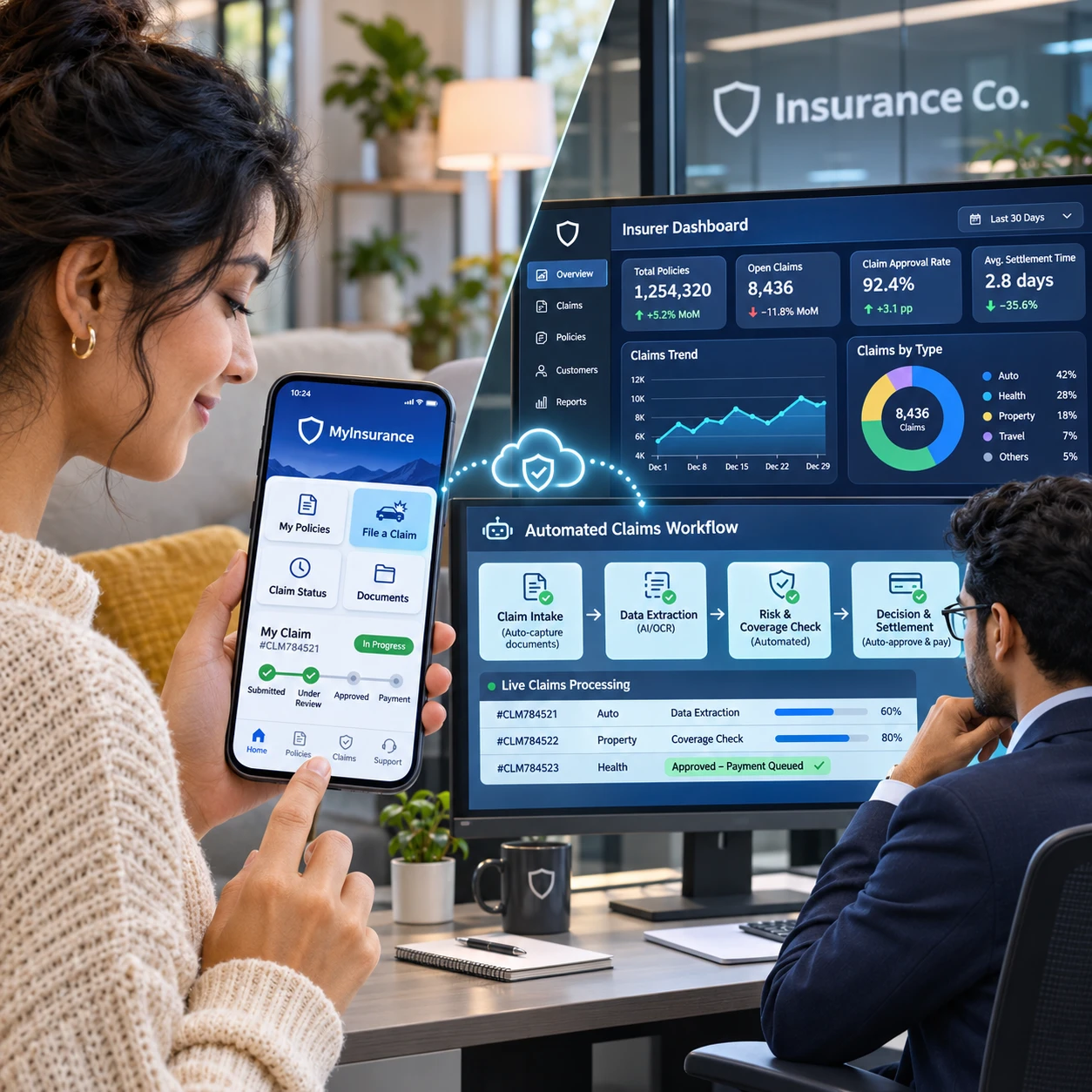
Insurance has long relied on detailed forms, actuarial tables, and processes that can take days or weeks. InsurTech is changing how insurers assess risk, sell coverage, and handle claims by bringing digital tools into each stage of the insurance journey. The result is a more connected industry, though faster service and lower costs are not guaranteed for every customer or policy.
What Is InsurTech?
InsurTech is the use of technology to improve or reshape insurance products, operations, and customer service. The term combines “insurance” and “technology” and applies both to specialist technology companies and to established insurers modernizing their systems.
Some InsurTech firms build digital insurance platforms that let customers compare, buy, or manage policies online. Others provide tools to insurers, such as software for underwriting, fraud detection, or claims automation. Traditional insurance companies also use insurance technology to update older workflows without changing their entire business model.
The label covers a wide range of approaches. A company might sell coverage directly through an app, while another might supply an established insurer with machine-learning software. InsurTech describes the use of technology, not a guarantee that an insurer is new, fully digital, or better suited to every customer.
Technologies Transforming Insurance
AI, machine learning, big data analytics, telematics, and automation are transforming insurance by helping companies process information and act on it more quickly. Their impact depends on the quality of the data, the insurance task, and how people oversee the tools.
Artificial intelligence and machine learning
Artificial intelligence (AI) can help sort documents, answer routine questions, and flag unusual patterns for review. Machine learning, a type of AI that identifies patterns in data, can support underwriting by helping insurers estimate the likelihood or cost of certain claims. These models can assist human decision-makers, but they need testing and oversight; a model’s output is only as reliable as its data and design.
Big data analytics and telematics
Big data analytics helps insurers identify patterns across information such as claims histories, policy details, and, where lawful and appropriate, other data sources. For example, an insurer might analyze past claims to improve its estimate of risk for a particular type of policy. More data does not automatically mean a more accurate or fair decision, especially if the data is incomplete or reflects existing bias.
Telematics collects information about driving, often through a phone app or vehicle device. A usage-based auto insurance program may consider mileage or driving behavior when setting or adjusting a premium, subject to the policy and local rules. Drivers may value a price tied more closely to their driving, but they should check what is recorded, how long it is retained, and whether opting in affects their rate.
Automation and digital platforms
Automation can route applications, verify documents, and move straightforward claims through standard steps. Digital insurance platforms bring quoting, policy documents, payments, and service requests into a website or app. Automation tends to work best on routine cases; unusual losses and disputed claims still call for informed human review.
How InsurTech Is Changing the Customer Experience
InsurTech can make it easier to shop for coverage, manage a policy, and report a claim through digital channels. The experience still varies by insurer, product, and the complexity of the customer’s situation.
Online quote tools and digital applications let customers enter information without visiting an office or repeating the same details over the phone. Some services offer near-instant decisions for simpler products. A quick quote, however, is not always a final offer: the insurer may still need to verify information or clarify exclusions before coverage begins.
Digital tools can also support more tailored coverage. For instance, an insurer may use information about a customer’s selected limits, property, or driving habits to offer options relevant to that risk. Embedded insurance takes the process a step further by presenting coverage during another purchase, such as travel protection when booking a trip or device insurance when buying electronics. This can reduce friction, but customers should still review the price, limits, exclusions, and cancellation terms rather than treating a convenient offer as automatically suitable.
Claims handling is another visible change. A customer may submit photos, receipts, and a description of damage through an app. Claims automation can organize the information, check it against policy details, and route a straightforward claim for faster processing. If the facts are disputed, the damage is complex, or the claim falls outside standard rules, the insurer may need additional evidence and human assessment.
Benefits for Insurers and Policyholders
InsurTech can improve efficiency, access, and risk assessment for insurers and policyholders when tools are designed and used responsibly. The gains are potential outcomes, not automatic results.
For insurers, automation can reduce repetitive administrative work and help staff focus on complex applications or claims. Better data analysis may support more consistent underwriting decisions, while digital systems can make it easier to serve customers across channels. Insurers may also use technology to detect suspicious claims for further investigation, although a flag should not be treated as proof of fraud.
For customers, online services can make policy information easier to access and routine transactions more convenient. Digital distribution may help people compare options or reach providers without relying solely on in-person service. Telematics or other forms of individualized assessment may better reflect some customers’ circumstances, depending on the product and rules that apply.
The trade-offs matter. A digital-first service can be convenient for customers who are comfortable online but frustrating for someone who needs phone support or help with a complex claim. More precise risk assessment may improve pricing for some groups while raising premiums or limiting offers for others. Technology can streamline a process; it does not determine whether the coverage itself is adequate.
Challenges and Risks of Insurance Innovation
Insurance innovation creates risks involving privacy, cybersecurity, biased decisions, regulation, and overreliance on automation. Insurers must manage these issues alongside the operational benefits of new tools.
- Data privacy: Telematics and connected services can gather sensitive or revealing information. Customers should be able to understand what data an insurer collects, why it is needed, and how it is shared or retained.
- Cybersecurity: Digital platforms hold personal, financial, and sometimes health-related information. Security controls, access management, and incident response matter because a breach can harm customers and disrupt service.
- Algorithmic bias: A model may reproduce unfair patterns in its training data or use variables that act as indirect proxies for protected characteristics. Insurers need to test models, document decisions, and provide ways to challenge errors where applicable.
- Regulation and accountability: Insurance is regulated, and requirements differ by jurisdiction and product. Using an outside technology vendor does not remove an insurer’s responsibility to follow applicable rules or explain its decisions.
- Limits of automation: Automated systems can misunderstand unusual circumstances or incomplete documents. Human review remains important for exceptions, complaints, and decisions with significant consequences.
Customers can take a practical approach: check the policy wording, ask how data is used, and confirm how to reach a person if the app cannot resolve an issue. For insurers, good governance means testing tools before deployment and monitoring them after changes to data, products, or rules.
What’s Next for InsurTech?
InsurTech is likely to develop through wider use of AI, connected data, embedded insurance, and partnerships between technology firms and traditional insurers. The pace and form of adoption will depend on evidence of value, customer trust, and regulation.
Generative AI may help staff summarize documents or draft responses, while improvements in analytics could support earlier identification of risk and more efficient service. These uses still require safeguards: a fluent automated answer can be wrong, and confidential policyholder data needs careful handling. Human review is especially important when a tool affects coverage, pricing, or a claim decision.
Embedded insurance may become more common in online purchases and service platforms, making protection available at the moment a customer needs it. The challenge is to keep the offer clear and optional, with understandable limits and exclusions. Telematics and connected devices may also provide more timely information, but wider data collection could intensify privacy concerns.
Many established insurers are likely to adopt technology through partnerships rather than replace their core operations all at once. That approach can bring new capabilities while retaining existing expertise and regulatory systems, though older infrastructure may slow integration. In practice, the strongest measure of progress is whether an innovation makes coverage clearer, service more reliable, or decisions more accountable for the people affected.
Frequently Asked Questions About InsurTech
What does InsurTech mean?
InsurTech means using technology to change or improve insurance. It includes digital sales platforms, AI tools for underwriting, telematics programs, and claims automation.
How does AI affect insurance?
AI can help insurers process documents, answer routine questions, identify patterns, and support underwriting or claims review. Its recommendations require oversight because data or model errors can lead to unfair or inaccurate outcomes.
Is InsurTech replacing traditional insurance companies?
No. Technology is changing how many insurers operate, but it does not replace the need for insurance providers to assess risk, issue policies, meet regulatory duties, and handle claims. Many technology firms work with established insurers.
How can InsurTech change the claims process?
Customers may report a loss and submit supporting documents through an app, while claims automation helps sort information and route routine cases. Complex or disputed claims may still require investigation and direct human review.