How Live Dealer Casino Games Work: A Canadian Player's Guide to Real-Time Gaming Technology in 2026

I still remember the first time I logged into a live dealer table from my apartment in Vancouver — and for a few seconds, I genuinely forgot I wasn't sitting in an actual casino. A real woman in a tailored vest was shuffling cards, calling players by name, and laughing at a lucky hand like it actually mattered to her. That's the whole pitch for live dealer gaming, honestly. And it's exactly why this corner of the Canadian online casino market has exploded heading into 2026.
What Are Live Dealer Casino Games, Exactly?
Live dealer games sit in this odd middle ground between driving to a land-based casino and tapping through a slot app on your phone. Instead of software generating outcomes, a real human dealer runs a physical table — blackjack, roulette, baccarat, poker — from a dedicated studio or, sometimes, right off the floor of a brick-and-mortar casino. Multiple HD cameras capture that table and stream it straight to your device. So you're watching an actual ball land in an actual roulette pocket. Not an animation pretending to be one.
Live Dealer vs. RNG-Based Online Casino Games
Traditional online casino games run on a Random Number Generator — software that produces outcomes mathematically instead of physically. RNG games are fast, always on, and fine if you just want quick spins with zero fuss. Live dealer games use real cards, real wheels, real people, which gives Canadian players a kind of transparency you can't fake: you literally watch the shuffle happen in front of you. There's a social layer too — dealers greet you by name, other players chat in the sidebar, and the whole pace feels closer to an actual casino night out than a video game session. That authenticity is a big reason live tables have become the go-to format for a growing chunk of players across the country.
The Streaming Technology Behind the Magic
What makes live dealer gaming feel smooth instead of clunky is a surprisingly dense technical stack humming away in the background, mostly invisible unless something breaks. Studios run multiple HD or 4K camera angles per table — usually a wide shot, a tight close-up on the cards or wheel, and a dealer-facing view — so you get a clear read on the action no matter what device you're using.
Tucked behind the dealer's station is a piece of hardware called a Game Control Unit, or GCU — roughly shoebox-sized — which encodes the video feed and syncs it with the game software in real time. Meanwhile, Optical Character Recognition software reads card values and wheel results the second they're revealed, pushing that data straight into your betting interface. Add low-latency streaming protocols tuned specifically for mobile networks, and you get gameplay that feels almost as responsive as sitting at the table in person. Even over a decent Canadian LTE connection, which — let's be real — isn't always a given depending where you live.
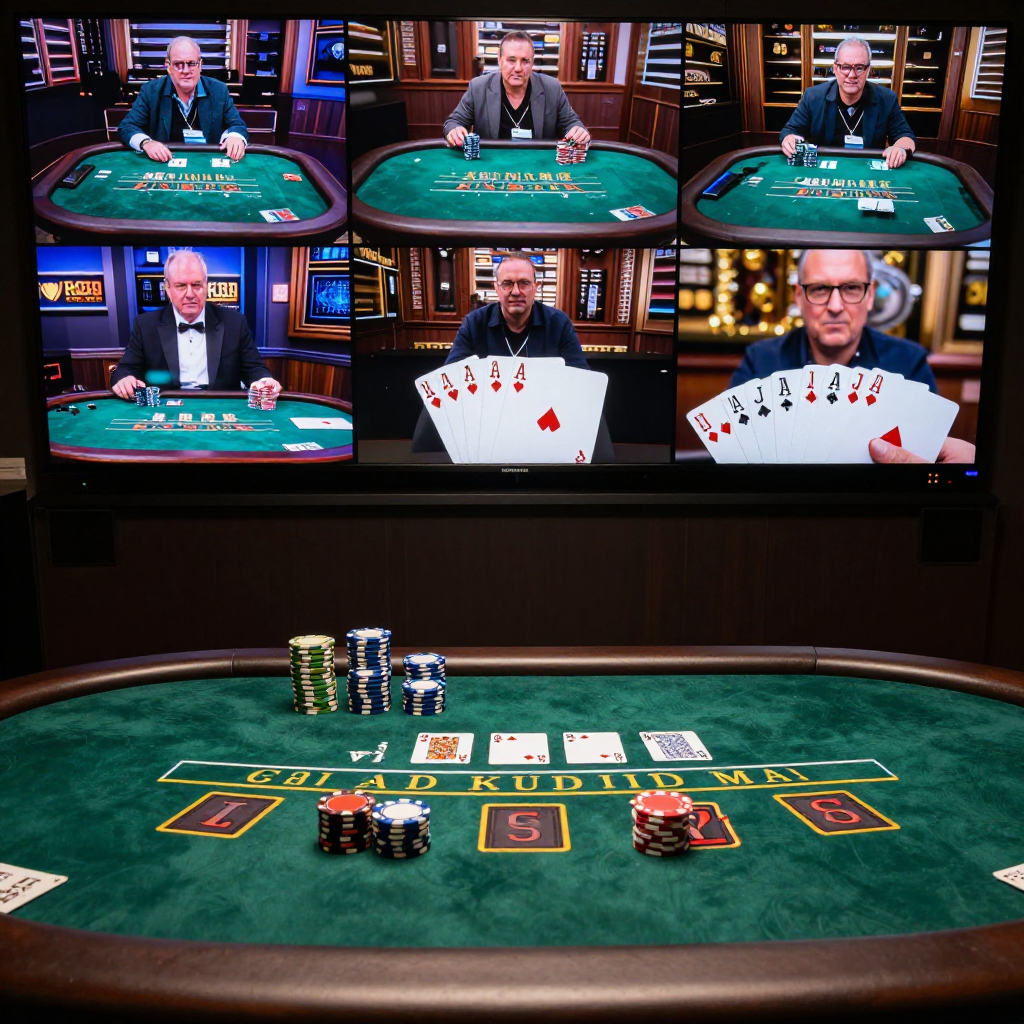
Studio Setup — From Riga to Toronto
Most of the big names powering Canadian live dealer platforms — Evolution Gaming, Pragmatic Play Live, Ezugi — run sprawling studio complexes in places like Riga, Malta, and Bucharest, spinning dozens of tables simultaneously around the clock. What's shifted in the last couple years is localization. Providers are building CAD-denominated tables, hiring bilingual English/French dealers, and even testing Toronto-based studio setups to shave milliseconds off latency and give the whole thing a more distinctly Canadian feel.
Licensing and Fair Play Standards Canadian Players Should Know
Regulation in Canada's online gambling space is a patchwork — worth understanding before you deposit a single dollar. Ontario runs its own regulated market through iGaming Ontario, requiring operators to hold a provincial license and meet strict standards around fairness and player protection. Outside Ontario, plenty of Canadian players use offshore-licensed sites regulated out of Malta, Curaçao, or the Kahnawake Gaming Commission — which is based right here in Quebec, by the way, and has been licensing online gambling operations for over two decades now.
On top of licensing, independent auditing bodies like eCOGRA and GLI regularly test live dealer studios to confirm that shuffles are genuinely random, dealers follow proper procedure, and payout percentages actually match what's advertised. Licensing isn't just a box to check. It's what gives you recourse if a dispute ever comes up over a hand, a bet, or a withdrawal that never lands.
Exploring the Game Variety Available to Canadian Players
Live dealer lobbies in 2026 go way past the classic blackjack, roulette, and baccarat trio. Game show-style formats like Crazy Time and Monopoly Live mix live hosts with wheel-spin mechanics and bonus rounds, and they pull huge crowds during peak evening hours — I've seen the player counts spike myself around 8 or 9 pm. Speed variants of blackjack and roulette cut the waiting time between rounds for players chasing faster action, while VIP high-limit tables cater to bigger stakes and more personal service. Multi-camera baccarat rooms let you switch angles or follow specific players at a shared table. This variety matters more than people think when picking a platform — a site running three or four live tables gets stale fast next to one offering dozens of formats.
How to Choose a Trustworthy Live Dealer Casino Canada Site in 2026
With so many operators fighting for Canadian players, picking the right one takes a bit of homework. Start with licensing — confirm the site holds a provincial or reputable offshore license before anything else, full stop. Check how fast the platform processes CAD withdrawals, since payout speed varies wildly between operators (more than you'd expect, honestly). Test the mobile streaming quality yourself if you can, and look for customer support that's genuinely available in Canadian time zones with agents who actually understand CAD banking methods.
Rather than guessing your way through it, it's worth consulting independently tested rankings. Reviewers behind the live dealer casino Canada guide put top platforms through hands-on testing, checking streaming quality, dealer professionalism, and payout reliability across the board — which saves you the headache of wading through marketing claims yourself.
Red Flags to Watch For
- Operators with no visible or verifiable license
- Frequent video buffering or lag during peak hours
- Hidden withdrawal fees or unexplained processing delays
- No dedicated Canadian customer support or CAD banking options
Tips for a Better Live Dealer Gaming Experience
A few practical habits make a real difference once you're actually playing. Check your internet bandwidth beforehand — live streams eat up way more data than static game screens, and a shaky connection kills the immersion fast. Headphones add a surprising amount to the atmosphere too, letting you catch the dealer's calls and table chatter clearly instead of guessing from lip movement.
Always confirm table limits before you sit down, since live tables often carry higher minimum bets than their RNG equivalents. And because live sessions move at a different rhythm than automated games, it's smart to set aside a bankroll specifically for live play — otherwise you'll be caught off guard by how fast the rounds add up. They really do.
Conclusion — The Future of Real-Time Gaming in Canada
Between sharper streaming technology, tighter provincial regulation, and an ever-expanding catalog of game formats, live dealer casinos just keep getting more polished and more trustworthy for Canadian players. As 2026 rolls on, the gap between a real casino floor and your living room keeps shrinking — noticeably, if you've been paying attention over the past couple years like I have.
My advice stays simple, and I'll say it plainly: stick to licensed operators, do a little digging with well-tested rankings, and treat your bankroll with the same discipline you'd bring to a real table. The technology's caught up. Now it's just about playing smart.